
Gaming has undergone a revolution since the days when expensive consoles and pricey games were the norm. Today, free-to-play games are all the rage, with millions of players logging on every day. But what’s behind their irresistible draw, and why do people keep coming back for more? Let’s delve into the secrets behind free-to-play gaming’s enduring success.
What is Free-to-Play Gaming?
Before we dive into the psychology behind free-to-play games, let’s define what they are. Free-to-play games are those that can be downloaded and played without spending a penny. They’re often supported by in-game purchases or microtransactions, allowing players to buy additional items, currency, or perks. This business model has been a game-changer, and it’s now a staple of the gaming industry. Learn more about free-to-play games.
The Psychology of Free-to-Play Gaming
Free-to-play games rely heavily on psychological manipulation to keep players hooked. One key tactic used by game designers is to reward players with bonuses and perks that encourage them to continue playing. This can include leveling up, unlocking new items, or earning rewards for completing challenges. These rewards release dopamine, a neurotransmitter that gives us a feel-good boost, which can lead to a vicious cycle of addiction.
But that’s not all. Many free-to-play games use social pressure to keep players engaged. They encourage players to invite friends to play, either by offering rewards for referrals or by creating a sense of community. This can lead to a strong emotional attachment to the game, as players feel a sense of belonging and connection with others.
Free-to-play games also employ a technique called “gacha” mechanics, which involves randomly awarding players items or rewards based on chance. This can create a sense of excitement and anticipation, as players wait to see what they’ll get. However, it can also lead to frustration and disappointment if players don’t get what they want.
The Connection to Online Gaming and Entertainment
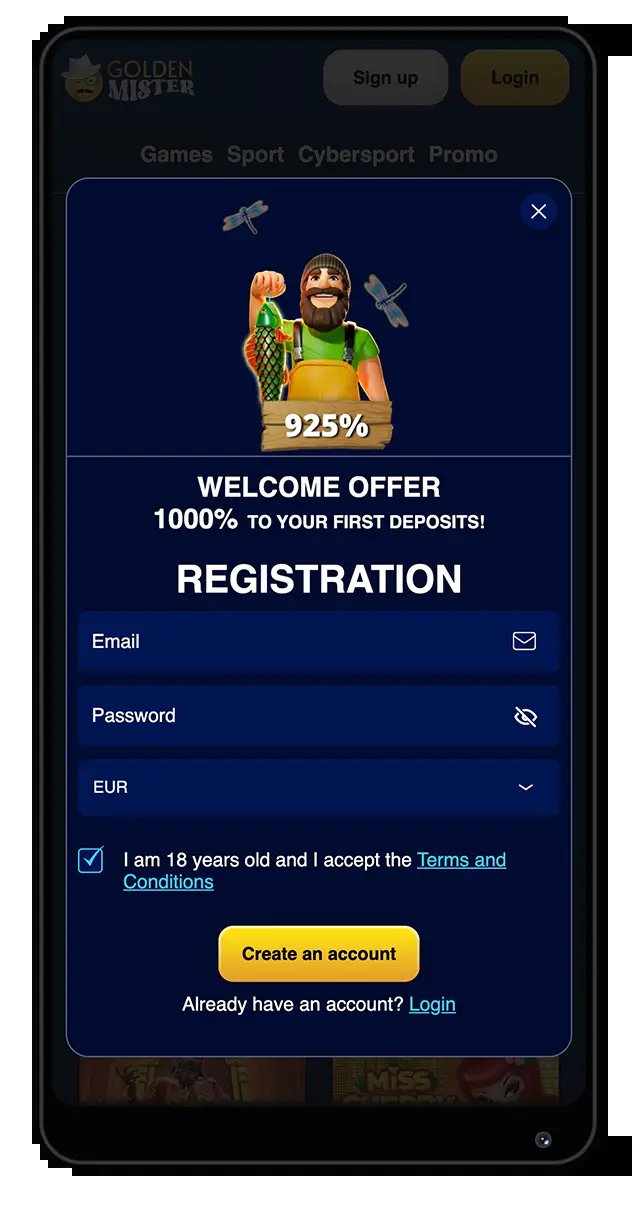
Free-to-play games have become a staple of the online gaming scene, and many of them have a strong connection to online gaming and entertainment. For example, the popular free-to-play game “Hearthstone” is a digital collectible card game that’s deeply connected to the online gaming community. Players can compete against each other in online tournaments, and the game’s social features allow players to connect with each other and share strategies. Some free-to-play games even offer real-money betting options, which can be found at online casinos like Golden Mister, a new online gaming platform that offers a range of free-to-play games and a community-driven environment.
Why Do People Keep Coming Back?
So why do people keep coming back to free-to-play games? One reason is the sheer variety of games available. With new games being released all the time, there’s always something new to try, and players can choose from a wide range of genres and styles. Additionally, free-to-play games are often constantly updated with new content, events, and features, which keeps the game fresh and exciting.
Another reason is the sense of progression and accomplishment that comes with playing free-to-play games. Players can level up, unlock new items, and earn rewards, which creates a sense of satisfaction and pride. This sense of progression can be incredibly addictive, and many players find themselves playing for hours on end in pursuit of the next level or achievement.
Conclusion
Free-to-play games have become a staple of the gaming industry, and their enduring success is due in part to a combination of psychological manipulation, social pressure, and a wide range of gameplay options. Whether you’re a seasoned gamer or just looking for something new to try, free-to-play games offer a fun and engaging way to spend your time. So why not give it a try, and see what all the fuss is about?
Frequently Asked Questions
What is free-to-play gaming?
Free-to-play games are online games that can be downloaded and played for free, with optional in-game purchases.
Are free-to-play games inferior to paid games?
Not necessarily, many free-to-play games offer high-quality gameplay and features that rival their paid counterparts.